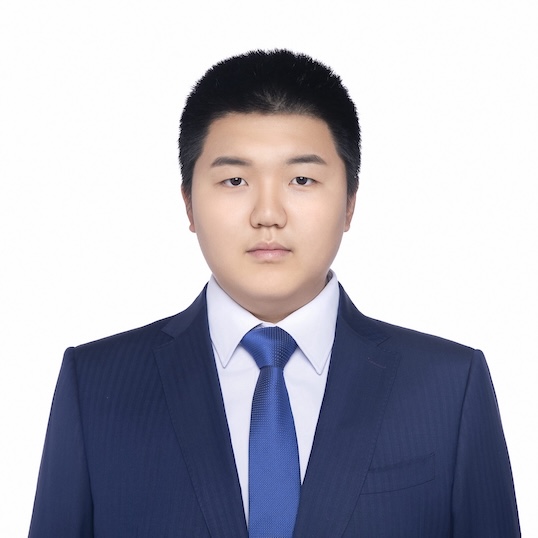
I am a graduate in Engineering Science & Applied Mathematics from Northwestern University, and hold an undergraduate degree in Applied Mathematics from UC San Diego — two places that shaped who I am, academically and beyond.
I come to research not from a traditional academic path, but from a persistent habit of not letting questions rest. When something doesn’t make sense to me, I’ll rebuild it from scratch, find the right person to ask, or keep reading until the confusion becomes clarity. I move fast, correct often, and care more about understanding deeply than looking certain.
More than a position, I am looking for the right fit — a lab that takes its time with ideas, a collaborator who wants to build something meaningful over the long run, or a mentor genuinely invested in helping someone learn to think independently. I believe this kind of match has to go both ways.
I am available to work fully onsite for six months or more, and I take that commitment seriously — good research takes time, and I am not looking to pass through.
If any of this resonates, I would love to find a time to talk: email · calendly
Research Interests
I am early in my research journey, and the directions below reflect where I have spent time so far — not boundaries. I hold them loosely, and am genuinely open to where good questions lead.